

Why Silky Smoothie Texture Is the Real Difference Between Home and Boutique
Ever notice how a boutique smoothie pours like velvet while yours comes out icy, gritty or watery? The difference is rarely the recipe. It is technique. Silky smoothie texture is a skill, and the people behind the counter at a good smoothie bar use a handful of habits you can copy at home with a normal blender.
Below are seven counter secrets for silky smoothie texture, followed by a troubleshooting chart for the most common problems and a short look at what better texture is really worth to you.
Secret 1: Load the Blender in the Right Order for Silky Smoothie Texture
Order is the cheapest improvement you can make.
- Liquid goes in first so the blades spin freely.
- Soft ingredients such as yogurt, nut butter or banana go next.
- Frozen fruit goes on top, where its weight pushes everything down into the blades.
This layering prevents air pockets and keeps the blades working on the whole mix instead of whirling uselessly above it.
Secret 2: Use Frozen Fruit, Not Ice, for Silky Smoothie Texture
Ice makes a drink cold, but it breaks into tiny shards that you can feel on your tongue. Frozen fruit makes a drink cold and creamy at the same time, because its fibers and sugars blend into the liquid. If you need extra chill, freeze part of your liquid or part of your fruit instead of adding cubes.
Secret 3: Add One Creamy Element for Silky Smoothie Texture
A smoothie with only fruit and juice tends to be thin and slightly foamy. Add one creamy ingredient to build body.
- A ripe banana, fresh or frozen.
- A few spoonfuls of yogurt.
- A spoonful of nut butter or a small piece of avocado.
- A splash of cream for dessert-style drinks.
One is enough. Piling on several can make the drink heavy and dull the fruit flavor.
Secret 4: Control the Liquid for Silky Smoothie Texture
Too much liquid thins the drink and leaves it watery. Too little stalls the blades. Start with about half a cup of liquid for every two cups of frozen fruit, then adjust in small splashes. A good result moves slowly when tilted and holds a gentle peak on a spoon.
Secret 5: Blend Longer Than You Think for Silky Smoothie Texture
Most home smoothies stop one step too early. Blend on high for an extra thirty seconds after everything looks combined. That extra time smooths the last grains of fruit skin and seeds into the body of the drink. If the blender has a tamper or you can stop and stir, do so once midway to bring the sides into the middle.
Secret 6: Strain Seedy Fruit Once for Silky Smoothie Texture
Raspberries, blackberries and kiwi can leave tiny seeds that feel gritty. For special occasions, pour the blended drink through a fine sieve once. It takes a minute, and the difference in glossiness is dramatic. Press the pulp gently with a spoon, and discard what stays behind.
Secret 7: Serve Right Away in a Chilled Glass for Silky Smoothie Texture
A smoothie begins to separate the moment it stops moving. Ice crystals grow, water drifts to the bottom and the creamy parts rise. Chill the glass first, pour straight from the blender and serve within a couple of minutes. If you must wait, give the drink a quick swirl before pouring.
A Silky Smoothie Texture Troubleshooting Chart
| Problem | Likely cause | Fix |
|---|---|---|
| Icy, crunchy bits | Too much ice, not enough blending | Swap ice for frozen fruit and blend longer |
| Watery and thin | Too much liquid | Add more frozen fruit or half a banana |
| Gritty or seedy | Berry seeds, nut skins | Strain once, or blend nuts first with the liquid |
| Foamy on top | Too much air from fast blending | Start on low speed and let foam settle before pouring |
| Separates quickly | Not enough creamy element | Add yogurt, banana or nut butter |
| Too thick to pour | Too little liquid | Add liquid one tablespoon at a time |
Keep this chart handy. Nearly every texture complaint fits one of these rows.
A Quick Silky Smoothie Texture Test You Can Run Tonight
To see the difference for yourself, make the same drink twice. For the first, throw everything in at once with a handful of ice. For the second, follow the order above, use frozen fruit, add half a banana and blend for an extra half minute. Pour them into two matching glasses and taste. Most people can tell which one is silky before they even take a sip, simply by how it pours.
Silky Smoothie Texture FAQ: Quick Answers to Common Questions
Do I need an expensive blender for silky smoothie texture? No. A high-powered machine helps, but technique matters more. Loading order, frozen fruit, a creamy element and a longer blend time will improve results in almost any standard blender. If your blender struggles, cut your frozen fruit into smaller pieces and let it sit on the counter for two or three minutes before blending.
Why does my smoothie taste foamy? Fast blending traps air. Start on low speed, increase gradually and let the drink rest for a few seconds before pouring. A gentle tap of the jug on the counter pops the biggest bubbles.
Can I use plant milk and still get a silky texture? Yes, but different milks behave differently. Oat and cashew milks tend to be creamier, while thin almond milk may need a banana or spoonful of nut butter to compensate. Shake the carton well before measuring.
Does adding more fruit help or hurt? More frozen fruit makes a thicker drink, but too much will stall the blades. Add it in stages and use the liquid to keep things moving.
How do I keep texture when I make smoothies for a group? Blend in small batches rather than one oversized jug, keep the glasses chilled and pour as soon as each batch finishes. Do not hold finished smoothies in the blender.
What Better Silky Smoothie Texture Is Worth: The Value of Counter Secrets
Texture is what separates a drink you finish from one you abandon. It is also what makes boutique drinks feel worth their price. When you learn these seven habits, you give every smoothie you ever make a built-in upgrade, and that is value you keep forever.
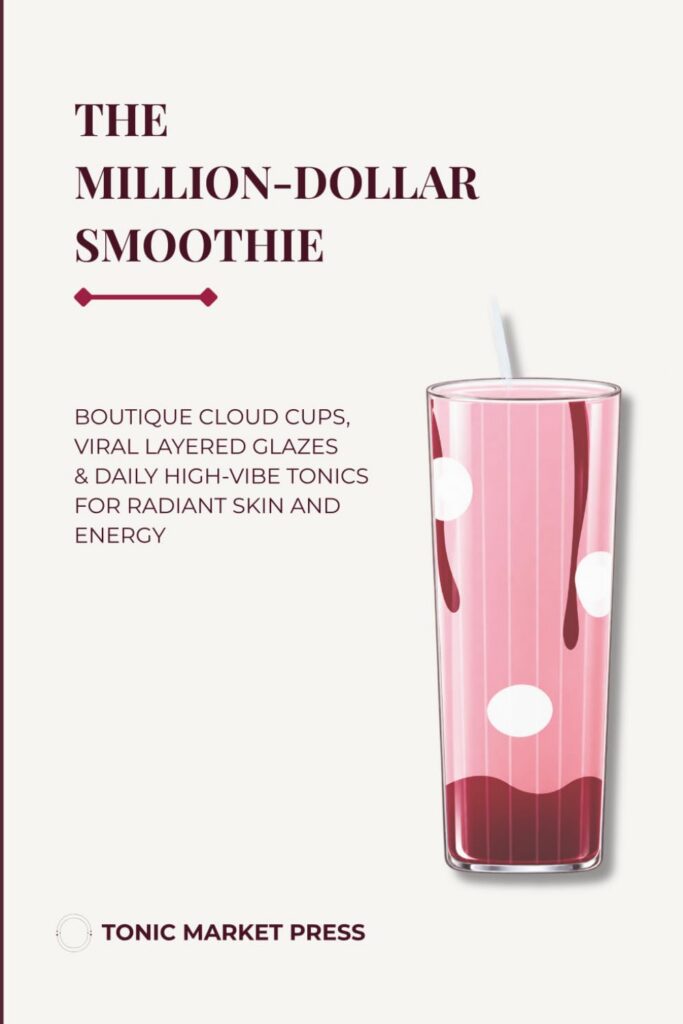
The Million-Dollar Smoothie goes much deeper. Its Counter Secrets section covers balancing flavor, building silky textures and creating café-worthy presentation, and it comes with 120 recipes across 10 collections to practice on. You get the technique and the menu in one purchase, which is far better value than a single boutique cup.
Silky Smoothie Texture Is a Skill You Keep Forever, So Start Pouring
Silky smoothie texture is not luck or expensive equipment. It is order, frozen fruit, one creamy element, controlled liquid, patient blending, the occasional strain and a quick, cold serve. Try them tonight and taste the difference.
When you want a full book of recipes to apply them to, get The Million-Dollar Smoothie on Amazon and take your first extraordinary pour.
Because a million-dollar smoothie isn’t about what you spend. It’s about what you create. What is your biggest smoothie texture problem: icy, gritty or watery? Ask in the comments and we will help.